Places to Visit and See in Satara City — The Complete Travel Guide
Forts that raised an empire, a plateau that blooms in colour every week of the monsoon, and a pedha sweet enough to justify the whole drive. Here’s everything you need to plan a trip to Satara.
1Introduction to Satara
Tucked into the folds of the Sahyadri mountains where the Krishna and Venna rivers meet, Satara is the rare hill town that refuses to pick a single identity. It is a fortress city that armed the Maratha Empire, a monsoon paradise where an entire plateau turns into a living watercolour painting, and a sweet-shop pilgrimage site for anyone who has tasted real Kandi Pedha. And yet, sandwiched between the more famous names of Mahabaleshwar and Kolhapur on the map, Satara tourism has stayed pleasantly under the radar.
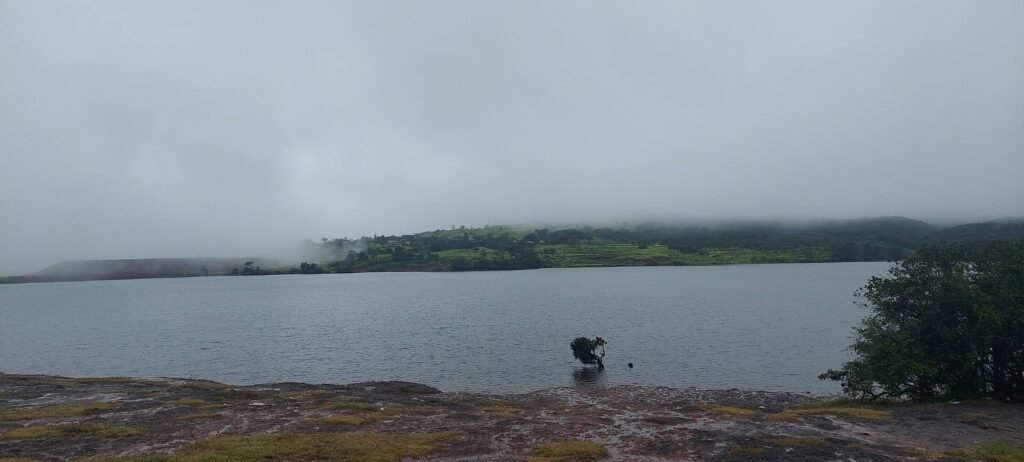
That is changing fast. Every monsoon, thousands of travellers now make the trip specifically for Kaas Plateau, the UNESCO-recognised wildflower landscape nicknamed Maharashtra’s own Valley of Flowers. But Satara sightseeing goes well beyond one plateau. There are forts perched on volcanic hills that once decided the fate of an empire, waterfalls that thunder down basalt cliffs in July, dams ringed by mist, a bird sanctuary that hosts migratory flamingos, and a climate gentle enough to explore comfortably almost year-round.
History runs unusually deep here. Satara was the second capital of the Maratha Empire, the city where Chhatrapati Shivaji Maharaj’s legacy was carried forward by his sons and grandsons, and where the royal Bhosale lineage continued to shape Maharashtra’s political and cultural identity for generations. Add a food culture built on hearty Maharashtrian thalis, roadside misal, and the legendary Kandi Pedha, and you have a destination that rewards travellers who like their trips layered — a bit of trekking, a bit of temple bells, a lot of green hills, and dessert at the end of every itinerary.
Whether you are planning a one day trip to Satara from Pune, a longer weekend trip from Mumbai, or building Satara into a bigger Maharashtra tourism circuit with Mahabaleshwar and Panchgani, this guide covers everything: the best places to visit in Satara, when to go, what to eat, where to stay, and how to do it all without breaking the bank — or trampling the flowers.
Few destinations near Pune combine UNESCO-level natural heritage, genuine Maratha history, cool hill-station weather and an iconic regional sweet in one compact loop. Satara is that rare all-rounder — impressive for a weekend trip, and deep enough to reward a longer stay.
2Where is Satara?
Satara sits in western Maharashtra, in the Desh region at the foothills of the Sahyadri (Western Ghats), roughly midway between Pune and Kolhapur along the Pune-Bengaluru highway. Its location at the confluence of the Krishna and Venna rivers has made it strategically and agriculturally important for centuries, and today makes it an easy add-on to a wider Maharashtra tourism itinerary.
From Pune
Approx. 110–115 km · 2 to 2.5 hours by road via NH48. The most popular weekend trip from Pune.
From Mumbai
Approx. 250 km · 4.5 to 5 hours via Mumbai-Pune Expressway and NH48. A doable weekend trip from Mumbai with an early start.
From Kolhapur
Approx. 110 km · around 2 hours via NH48, making Satara-Kolhapur a natural extension route.
Nearest Railway Station
Satara Railway Station, on the Pune-Miraj-Kolhapur line, well connected to Mumbai and Pune.
Nearest Airport
Pune International Airport (~120 km), the most convenient for flyers, followed by Kolhapur Airport for southern approaches.
Best Driving Route
NH48 (Pune-Bengaluru Highway) offers the smoothest, most scenic drive with clear signage for Satara exits.
Public transport is reliable too — state transport (MSRTC) buses and private operators run frequently between Pune, Mumbai and Satara, and local rickshaws or rented two-wheelers work well for getting around the city and nearby forts once you arrive.
3Best Time to Visit Satara
Summer (March to May)
Summers are warm and dry, with daytime temperatures often crossing 35°C. It’s the least crowded season and workable for fort visits early in the morning, but waterfalls run dry and Kaas Plateau is at its most barren. Best suited to travellers chasing quiet forts rather than lush landscapes.
Monsoon (June to October)
This is peak Satara tourism season, and for good reason. The Sahyadris turn a saturated green, Thoseghar Waterfalls roars to life, and — most importantly — Kaas Plateau bursts into its famous wildflower bloom between late August and early October. Expect misty viewpoints, muddy trekking trails, and the heaviest tourist footfall of the year on weekends.
Winter (November to February)
Cool, clear and comfortable, with temperatures dropping to a pleasant 12–24°C. This is the best season for fort treks, photography with clear visibility, birdwatching at Mayani Bird Sanctuary (migratory season), and general Satara sightseeing without monsoon logistics to worry about.
Chasing the wildflowers? Go in monsoon, ideally the first three weeks of September. Prefer comfortable trekking and clear views? Winter is your window.
4Kaas Plateau: Maharashtra’s Valley of Flowers
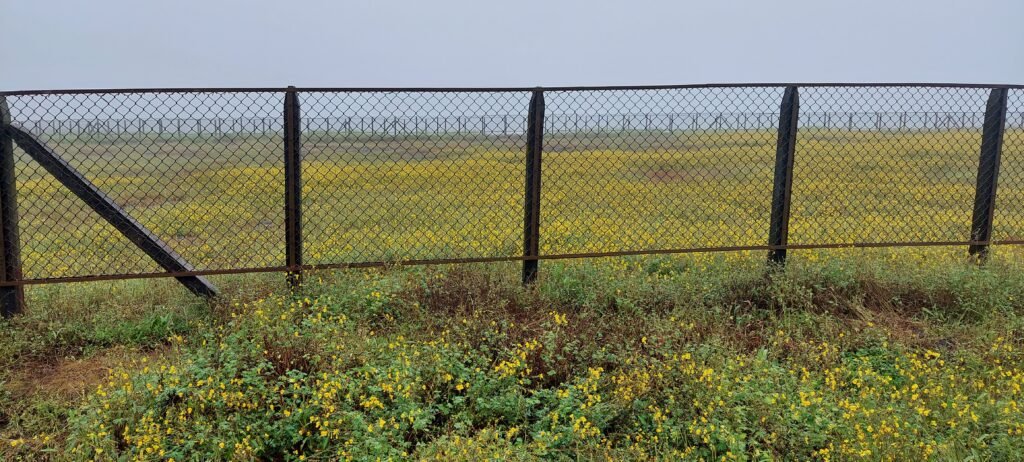
If Satara has a crown jewel, it’s Kaas Plateau — a volcanic, laterite tableland roughly 25 km from Satara city that transforms, for a few precious weeks every monsoon, into one of India’s most extraordinary wildflower landscapes. Kaas Plateau (locally “Kaas Pathar”) is part of the Kas Plateau Reserved Forest, recognised as a UNESCO World Natural Heritage Site as part of the Western Ghats natural heritage cluster, and it is precisely this ecological significance — not just the pretty photographs — that makes it worth understanding before you visit.
Why It’s Called Maharashtra’s Valley of Flowers
The comparison to Uttarakhand’s Valley of Flowers isn’t hype — Kaas genuinely rivals it in density and diversity, but with a distinctly Deccan character. The plateau’s thin, rocky, mineral-poor soil is exactly why it hosts hundreds of specialised plant species found nowhere else, many of them tiny, delicate, and endemic to this exact patch of the Western Ghats.
A Biodiversity Hotspot on Fragile Ground
Kaas is classified as a biodiversity hotspot precisely because its ecosystem is so specialised and so easily disturbed. The laterite crust that supports these wildflowers takes years to regenerate if trampled, which is why marked pathways, timed entry, and “look but don’t pluck” rules aren’t bureaucratic fussiness — they’re the only reason this landscape still exists in its current form. Every flower plucked, every footstep off the path, chips away at a habitat that cannot simply be replanted.
Kaas’s wildflowers are wild, endemic and often rare — some found nowhere else on Earth. Picking even a single stem disrupts the plant’s seeding cycle for the following year. Photograph generously, touch nothing, and stay on marked trails.
The Flowers of Kaas: A Weekly Changing Palette
Part of the magic of Kaas Pathar flowers is that the plateau doesn’t bloom once — it blooms in waves, with different species dominating different weeks of the season, which is why the colour of the plateau genuinely shifts almost weekly through August, September and into early October. Species to look out for include:
- Smithia — golden-yellow blooms that often carpet entire sections early in the season
- Sonki — one of the earliest and most recognisable yellow flowers of the plateau
- Topli Karvi — a striking purple-blue flower that blooms once every eight years in mass cycles, making a sighting genuinely special
- Impatiens (Terda) — pink and magenta clusters typical of the mid-season bloom
- Utricularia (bladderwort) — delicate purple carnivorous plants found in the plateau’s shallow pools
- Drosera (sundew) — tiny insect-eating plants with sticky, glistening leaves, best spotted with a guide’s help
- Eriocaulon — small white star-shaped flowers that often appear later in the season
- Numerous ground orchids and other endemic wildflowers unique to this stretch of the Western Ghats
This rotating bloom is exactly why repeat visitors often return two or three times in a single season — the plateau you photograph in the last week of August can look almost entirely different by the third week of September.
Conservation, Booking & Responsible Tourism
Because of heavy weekend crowds during peak bloom, forest authorities have historically managed Kaas entry through timed slots, daily visitor caps and, in peak years, online booking systems, with proceeds channelled toward conservation of the plateau and Kaas Lake catchment area. These systems can change year to year, so always check current booking requirements on the official Maharashtra forest department or Satara tourism channels before your visit, and be prepared for slot-based or online entry during September weekends in particular.
Responsible tourism here isn’t optional — it is the reason Kaas Plateau still exists as a wildflower destination rather than a cautionary tale. Respecting visitor caps, marked paths and no-plucking rules is what keeps this “Valley of Flowers Maharashtra” experience available for the next generation of travellers.
Arrive by 7–8 AM for the best light and thinnest crowds. Wear grippy, closed footwear — the laterite rock gets slippery when wet. Carry water, a light raincoat, and a wide-angle lens if you’re serious about photography. Weekday visits (Tuesday to Thursday) offer a dramatically calmer experience than weekends during peak bloom.
5Thoseghar Waterfalls
About 20 km from Satara city, Thoseghar Waterfalls is a set of cascades dropping from a height of roughly 500 feet down a dramatic basalt cliff face, fed by streams from the Sahyadri range. During peak monsoon (July–September), the main fall swells into a thunderous, multi-tiered curtain of water visible from a well-built viewing platform — one of the most photogenic Satara tourist places for anyone chasing waterfall views without a strenuous trek.
The viewpoint is designed for easy access, with railings and a paved path, making it comfortable for families and older travellers, while a secondary, smaller fall nearby offers a quieter photography spot away from the main crowd.
Rocks near the falls get extremely slippery in monsoon. Stick to designated viewing platforms and railed areas — do not attempt to climb down toward the base of the falls, especially during or after heavy rain.
6Sajjangad Fort
Perched atop a hill about 10 km from Satara, Sajjangad (“Fort of the Good/Virtuous”) is less a military monument and more a place of quiet pilgrimage. This is where Samarth Ramdas Swami, the spiritual guide and philosopher closely associated with Chhatrapati Shivaji Maharaj, spent his final years and attained samadhi (final rest) in 1682.
The fort houses a serene temple complex dedicated to Ramdas Swami, along with shrines to Hanuman — reflecting the saint’s devotion — and offers sweeping views of the Urmodi reservoir and surrounding hills from its ramparts. The climb involves a moderate flight of stone steps, manageable for most fitness levels, and the atmosphere at the top is unmistakably calmer and more contemplative than Satara’s other forts.
7Ajinkyatara Fort
Rising directly above Satara city, Ajinkyatara (“Invincible Star”) is the fort most travellers picture when they think of Satara sightseeing — largely because you can see the whole city spread out beneath its ramparts. Built during the Shilahara dynasty and later strengthened and used extensively during the Maratha era, Ajinkyatara later served as a capital seat during a turbulent period of the Maratha Empire.
The trek is short — typically under an hour — and easy to moderate, making it ideal for families, first-time trekkers and anyone short on time. Sunrise and sunset are the best windows, when the fading or rising light turns the Krishna valley below into a soft golden patchwork of fields and rooftops, perfect for photography.
Early morning or just before sunset — both for cooler trekking conditions and for the best light over Satara city and the surrounding valley.
8Chalkewadi Windmill Farm
A short drive from Kaas Plateau, Chalkewadi is home to one of Maharashtra’s largest windmill farms, where hundreds of turbines line ridges overlooking a patchwork of valleys. It’s an unexpectedly cinematic stop — rows of white turbines against green monsoon hills or golden winter grass make for some of the most distinctive travel photography in the region.
The drive to Chalkewadi winds through open plateau roads with minimal traffic, and both sunrise and sunset here are spectacular, with the turbines silhouetted against colour-streaked skies. Combine it easily with a Kaas Plateau visit since both are on the same route from Satara.
9Mayani Bird Sanctuary
Around 40 km from Satara, the Mayani reservoir transforms every winter into a magnet for migratory birds, including flamingos, pelicans, storks and a wide range of waterfowl that fly in from as far as Siberia and Central Asia. It’s one of the lesser-known but genuinely rewarding things to do in Satara for birdwatchers and wildlife photographers.
The best season for sightings is winter (November to February), when migratory numbers peak. Early morning visits with binoculars or a zoom lens offer the richest birdwatching experience, as the birds are most active — and the light softest — in the first couple of hours after sunrise.
10Natraj Mandir
The Natraj Mandir in Satara is a well-known local temple dedicated to Lord Shiva in his Natraj (cosmic dancer) form, admired for its detailed stone and architectural work. It functions as both a spiritual landmark for locals and an easy cultural stop for tourists exploring Satara city, often combined with a visit to nearby markets and Char Bhinti.
11Char Bhinti
Char Bhinti — literally “four walls/pillars” — is a historic minaret-style structure and a well-recognised local landmark right in Satara city, believed to have been built as a memorial structure with strong ties to the region’s Maratha-era history. It’s a compact, easy stop, usually combined with a walk through Satara’s local markets nearby.
12Shivaji Museum — Satara and the Legacy of the Marathas
No understanding of Satara is complete without understanding its place in the story of Chhatrapati Shivaji Maharaj and the Maratha Empire he founded. The Shivaji Museum in Satara (located within the historic New English School / Rajwada complex) houses a collection of weapons, portraits, manuscripts, coins and artefacts connected to the Maratha era, offering visitors a tangible link to the region’s role in shaping Maharashtra’s history.
After Chhatrapati Shivaji Maharaj laid the foundations of the Maratha Empire from Raigad, it was his descendants who made Satara the second capital of the Maratha Empire. Chhatrapati Rajaram Maharaj, Shivaji Maharaj’s younger son, shifted strategic operations toward this region during the long Maratha-Mughal conflict, and Satara’s ring of forts — including Ajinkyatara — played a central defensive role in that resistance.
The city’s royal status was cemented under Chhatrapati Shahu Maharaj, grandson of Shivaji Maharaj, who established Satara as his formal seat of power after being released from Mughal captivity, ruling as the head of the Bhosale royal house even as the Peshwas rose to administrative prominence from Pune. The New Palace and Old Palace of Satara stand today as reminders of this royal lineage, and the Bhosale family’s descendants have continued to be associated with the city’s cultural and civic life for generations, keeping Satara distinct as a seat of Maratha royal heritage rather than merely a battlefield backdrop.
Layered onto this royal history is Sajjangad’s spiritual connection — Samarth Ramdas Swami, revered as a guiding spiritual influence during Shivaji Maharaj’s reign, chose Satara district as his final home, reinforcing the deep, intertwined relationship between Satara, the Maratha throne, and the spiritual philosophy that shaped it. Visiting Ajinkyatara, Sajjangad and the Shivaji Museum together offers a genuinely well-rounded picture of how this compact hill city became so central to Maharashtra’s Maratha identity.
13Local Markets in Satara
Satara’s main market roads, clustered around the old city centre, are worth a slow, unhurried walk. Beyond the famous Kandi Pedha, look out for:
Traditional Sweets
Kandi Pedha, khaje, and other milk-based Maharashtrian sweets from long-running family shops.
Local Spices
Kolhapuri-style masalas, goda masala and chilli blends suited to Maharashtrian home cooking.
Handicrafts
Small local craft items and pooja essentials, especially near the temple areas.
Local Produce
Fresh dairy, seasonal fruit, and farm produce from the surrounding Krishna valley farmland.
14Famous Food of Satara
Kandi Pedha: Satara’s Signature Sweet
If Satara had an edible mascot, it would be Kandi Pedha — a dense, slow-cooked khoya (reduced milk) sweet with a distinctive slightly grainy texture and rich, caramelised flavour that comes from careful, patient stirring over low heat. It’s different from the smoother, softer Dharwad Pedha found further south — Kandi Pedha has a firmer bite and a deeper, more roasted milk flavour, a texture locals will proudly tell you takes years of practice to get exactly right.
The name “Kandi” is believed to be linked to the traditional preparation method and local lineage of the sweet’s original makers in Satara. Whatever the etymology, one thing is universally agreed upon: no trip to Satara is complete without carrying home at least a kilo of it — most travellers end up buying two.
Kandi Pedha has a longer shelf life than most fresh Indian sweets thanks to its low moisture content, making it genuinely practical as a travel gift — unlike softer mithai that spoils within a day or two.
Other Local Foods to Try
- Misal — a spicy, sprouted-lentil curry topped with farsan, onions and lime, best eaten fiery hot with pav
- Vada Pav — Maharashtra’s favourite street snack, found on nearly every corner
- Pohe — the classic breakfast of flattened rice, turmeric, peanuts and curry leaves
- Pithla Bhakri and Zunka Bhakri — rustic, comforting gram-flour curries with millet or jowar flatbread, a true taste of rural Maharashtra
- Thali meals — full Maharashtrian spreads with varan-bhaat, bhaji, koshimbir, and papad
- Kolhapuri-influenced spicy curries, given Satara’s proximity to Kolhapur
- Fresh sugarcane juice and dairy products, thanks to the region’s agricultural belt
15Best Restaurants and Food Joints in Satara
| Category | What to Expect | Approx. Price Range |
|---|---|---|
| Family Restaurants | Multi-cuisine menus, comfortable seating, good for groups after a day of sightseeing | ₹300–700 for two |
| Pure Vegetarian Restaurants | Traditional thalis, North Indian and Maharashtrian vegetarian fare | ₹150–350 per thali |
| Maharashtrian Cuisine Specialists | Authentic misal, pithla bhakri, and regional home-style cooking | ₹100–250 per person |
| Street Food Stalls | Vada pav, bhel, sugarcane juice near the market and bus stand area | ₹20–80 per item |
| Breakfast Spots | Pohe, misal-pav and South Indian breakfast items, busiest before 10 AM | ₹40–120 |
| Sweet Shops (Kandi Pedha) | Long-established shops along the main market road specialising in authentic pedha | ₹400–600 per kg |
For the most authentic Kandi Pedha, head to the well-established sweet shops in Satara’s old market area rather than roadside highway stalls — the reputation of these shops is built on decades of the exact same slow-cooked recipe.
16Nearby Attractions Around Satara
Kas Lake
A scenic reservoir right next to Kaas Plateau, worth a short stop before or after the flower trails.
Bamnoli
Gateway village to boating on the Shivsagar backwaters, with a quiet, remote charm.
Tapola
Known as “Mini Kashmir,” offering boating amid forested hills, popular for a relaxed half-day trip.
Vasota Fort
A remote jungle fort reached via boat and trek through Koyna Wildlife Sanctuary — for serious trekkers.
Urmodi Dam
A peaceful reservoir near Sajjangad, good for photography and a quiet break in the itinerary.
Kanher Dam
Close to Satara city, popular for sunset views over the water.
Panchgani
Hill station famous for Table Land and strawberry farms, roughly 1.5 hours from Satara.
Mahabaleshwar
Maharashtra’s most iconic hill station, easily combined with Satara for a longer Maharashtra tourism loop.
These nearby spots complement a Satara trip beautifully, letting you stretch a weekend trip from Pune or Mumbai into a fuller circuit covering hills, forts, lakes and hill-station charm without excessive backtracking.
17Suggested Travel Itineraries
One-Day Satara Trip
Early start → Ajinkyatara Fort (sunrise) → Shivaji Museum → Kandi Pedha shopping → Kaas Plateau (seasonal) or Thoseghar Waterfalls → return by evening. Best for a focused one day trip to Satara from Pune.
Two-Day Satara Trip
Day 1: Ajinkyatara Fort, Shivaji Museum, Char Bhinti, Natraj Mandir, local market and Kandi Pedha. Day 2: Kaas Plateau, Chalkewadi Windmill Farm, Thoseghar Waterfalls, Sajjangad Fort in the evening.
Three-Day Satara Nature Tour
Add Bamnoli boating, Tapola, and Vasota Fort trek (for the adventurous) on Day 3, or swap in a relaxed Mayani Bird Sanctuary visit if travelling in winter.
Family Itinerary
Prioritise Ajinkyatara (short, easy trek), Sajjangad, Kaas Plateau (flat walking trails), Thoseghar viewpoint, and food stops — skip Vasota Fort, which is trek-intensive.
Photography Itinerary
Sunrise at Ajinkyatara, morning at Kaas Plateau for soft light on flowers, midday at Chalkewadi windmills, sunset at Kanher Dam or Thoseghar viewpoint.
18Budget for Visiting Satara
| Category | Budget Traveller | Mid-Range Traveller | Luxury Traveller |
|---|---|---|---|
| Accommodation (per night) | ₹800–1,500 | ₹2,000–4,500 | ₹5,000+ |
| Food (per day) | ₹300–500 | ₹700–1,200 | ₹1,500+ |
| Local Transport | ₹300–500 (bus/shared auto) | ₹1,500–2,500 (self-drive/rental) | ₹3,000+ (private cab) |
| Entry Fees (Kaas, forts, museum) | ₹200–400 total | ₹200–400 total | ₹200–400 total |
| Approx. Total (2 days) | ₹3,000–4,500 | ₹7,000–12,000 | ₹18,000+ |
Entry fees at Kaas Plateau and forts remain modest, so most of your budget flexibility comes down to accommodation and transport choices rather than sightseeing costs themselves.
19Where to Stay in Satara
Budget Stays
Simple lodges and MTDC-style guesthouses in Satara city, close to the market and bus stand.
Mid-Range Hotels
Well-reviewed hotels along the highway and near the city centre, offering comfortable rooms and restaurants.
Luxury Resorts
Resort-style properties near Bamnoli and Tapola offering lake views and premium amenities.
Nature Stays
Homestays and eco-lodges around Kaas and Bamnoli, ideal for travellers who want to wake up close to the hills.
Family Stays
Multi-room cottages and resorts near Satara city, balancing comfort with proximity to major attractions.
20Travel Tips for Visiting Satara
- Parking: Designated parking is available near Kaas Plateau and major forts; arrive early on weekends as space fills up fast during bloom season.
- Weather: Carry a light raincoat or poncho during monsoon months even for short walks — weather changes quickly in the hills.
- Clothing: Layer up in winter mornings; light breathable cotton works best in summer and monsoon.
- Footwear: Closed, grippy shoes are non-negotiable for fort treks and the laterite rock at Kaas.
- Responsible Tourism: Stick to marked trails, never pluck flowers, and carry your trash back with you.
- Photography: Early morning light is best at almost every location — plan your day around sunrise where possible.
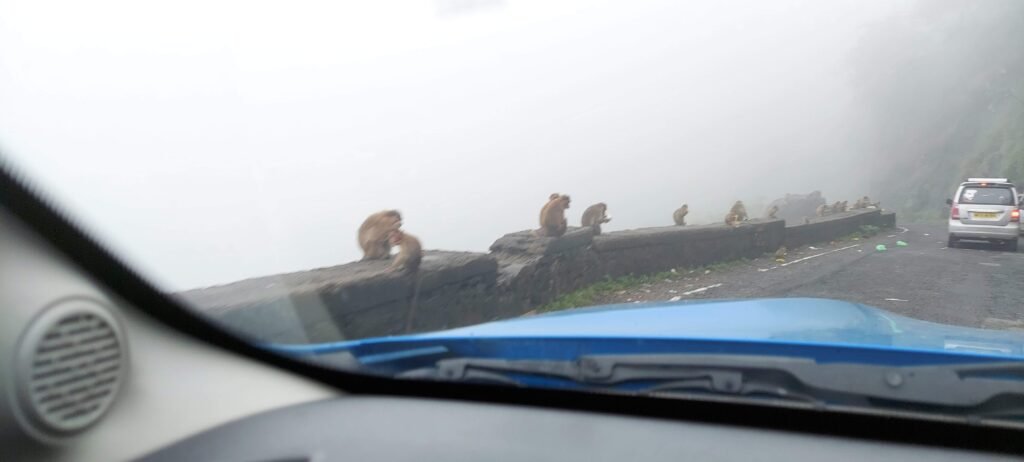
- Safety: Ghat roads can be slippery in monsoon; drive cautiously and avoid night travel on unfamiliar hill roads.
- Booking: Check current Kaas Plateau entry/booking requirements before travelling, especially for September weekends.
21Frequently Asked Questions
Yes. Satara combines forts, waterfalls, a UNESCO-recognised wildflower plateau, dams, bird sanctuaries and deep Maratha history in a compact, easily driveable region — making it one of the best value destinations near Pune and Mumbai.
A rushed but satisfying trip takes one full day, a comfortable trip covering forts and waterfalls takes two days, and a relaxed nature-and-history tour with Kaas, Bamnoli and Vasota takes three days.
The bloom typically runs from late August to early October, peaking during the last week of August through mid-September, though exact dates shift a little each year depending on the monsoon.
Kaas is quieter and greener outside the flowering window, with pleasant weather and views of Kaas Lake, but travellers hoping for the famous carpets of wildflowers should time their visit to the bloom season.
Satara is generally very safe for domestic and international travellers, including solo and family visitors, though standard precautions apply on ghat roads during monsoon and near cliff edges at viewpoints.
Satara is roughly 110–115 km from Pune, a drive of about 2 to 2.5 hours via the Pune-Bengaluru highway (NH48).
Monsoon (July to October) is best for waterfalls and the Kaas bloom, while winter (November to February) suits fort treks, birdwatching and general sightseeing.
During peak flowering weekends, entry is often capped and managed via an online booking or slot system to protect the ecosystem, so check current requirements before travelling; on regular weekdays, spot entry is usually possible.
Kandi Pedha is best bought from long-established sweet shops along the main market road and old town area, where shops specialise in the slow-cooked, khoya-based recipe rather than mass-produced versions.
Thoseghar Waterfalls is the star attraction, with additional monsoon cascades near Bamnoli and the Sahyadri ghats worth exploring on a longer trip.
Yes — most attractions involve short walks rather than difficult treks, and the region mixes nature, history and food in a compact, family-friendly area.
Yes, Satara is about 250 km from Mumbai, roughly a 4.5–5 hour drive via the Mumbai-Pune Expressway and NH48, making it a popular weekend road trip.
Early morning offers the softest light and fewer crowds for the wildflowers, while late afternoon light suits wider landscape shots across the plateau.
It’s easy to moderate, suitable for beginners and families, with a paved or semi-paved path in sections and panoramic views of Satara city as a reward.
Beyond Kaas, Satara is known for its forts including Sajjangad and Ajinkyatara, its deep connection to Chhatrapati Shivaji Maharaj and the Maratha Empire, Thoseghar Waterfalls, and its signature sweet, Kandi Pedha.
Not mandatory, but local naturalist guides help identify rare and endemic flower species and explain the plateau’s ecology, adding real value for nature enthusiasts.
22Conclusion
Satara doesn’t shout for attention the way its more famous hill-station neighbours do — and that’s exactly its charm. It’s a city where an empire’s history is still written into fort ramparts, where an entire plateau quietly rewrites its own colour palette every week of the monsoon, and where a simple milk sweet has become a reason in itself to visit. Whether you come for a one-day dash from Pune or a slower three-day nature tour, Satara rewards travellers who are willing to look a little closer.
Go gently — stay on the trails at Kaas, leave the flowers exactly where you found them, and carry back nothing but photographs and a box (or two) of Kandi Pedha. Satara has waited generations to be more than a highway stop between Pune and Kolhapur; the least we can do is visit it with care.
Planning Your Satara Trip?
If this guide helped, share it with a fellow traveller, drop your own Satara experiences in the comments, and bookmark this page — it’ll be updated every season with the latest Kaas Plateau bloom and booking information.